October 5, 2026 · San Diego Real Estate
San Diego County, CA Affordability Steady
Are you curious about the latest San Diego real estate trends? In this update, we dive into current affordability metrics,…
ReadIn today’s competitive real estate market, smart homes & tech are no longer optional – they’re expected. As homebuyers become more tech-savvy, the demand for integrated systems and automation is reshaping what qualifies as a “move-in ready” house. In this post, you’ll discover which smart features are commanding attention, how they affect home value, and tips for sellers and buyers to navigate this evolving landscape.
More than 80% of prospective homebuyers say they are more likely to buy a property if it already includes smart home systems. Meanwhile, surveys show that 77% of millennials are willing to pay extra for homes with smart features. These numbers underscore a simple truth: smart homes & tech can make your listing more competitive and attractive.

From a market-size perspective, the U.S. smart home industry was valued at about $36.38 billion in 2024, with projections indicating exponential growth toward 2034. Real estate professionals note that homes featuring smart systems often fetch a 3-5% value bump over comparable non-automated properties.
But it’s not just about flashy gadgets; buyers today want practical systems that enhance convenience, efficiency, and security.
Top of mind for buyers is smart security: video doorbells, biometric smart locks, AI-powered surveillance, and motion-sensing lighting are rising in demand. Harry Norman REALTORS®+2Forbes+2 Security features give buyers peace of mind, especially in today’s tech-first mindset.
Smart thermostats, energy monitoring systems, solar integration, and smart lighting are helping homes reduce utility costs. For buyers focused on sustainability, these features signal lower long-term operating costs and align with green values.

Buyers increasingly want systems that “just work.” The adoption of the Matter standard – a protocol promoting device interoperability – is making it easier to link diverse brands under a unified hub. Homes that support multiple ecosystems (Apple HomeKit, Google, Amazon, etc.) will appeal to a wider audience.
Air quality monitors, smart water sensors, circadian lighting, and leak detectors are climbing the trend charts. As health and well-being become part of home choices, these features attract buyers who prioritize subtle but meaningful improvements in comfort.
From smart refrigerators that track groceries to ovens you control via app, high-tech kitchens are no longer niche. A modern buyer expects more than just upgraded finishes; they expect intelligence baked into everyday appliances.
When buyers tour homes, they often test the tech, turning lights on/off, adjusting thermostats, and navigating dashboard apps. If systems are clunky, nonintuitive, or siloed, they can detract from the appeal. That’s why usability and consistency matter almost as much as the tech itself.
Because adoption has started to level off, smart home upgrades alone won’t sell a property overnight. But when deployed thoughtfully and marketed well, smart homes & tech can sway buyers who see them as a differentiator rather than a bonus.
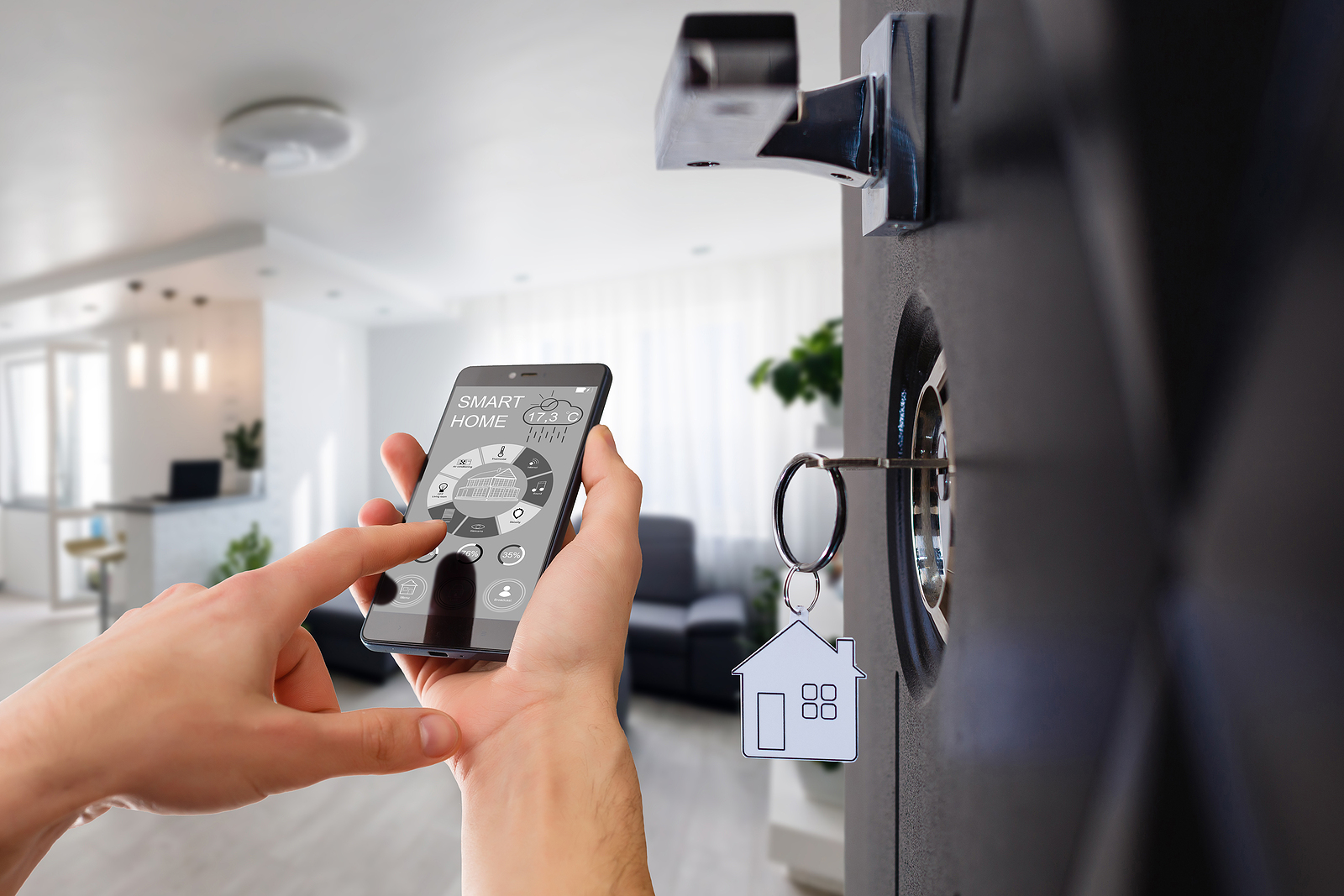
The real estate landscape is rapidly evolving, and smart homes & tech are at the forefront of buyer expectations. While flashy features alone won’t seal the deal, thoughtful, integrated systems can raise perception, smooth daily life, and push your property ahead in a crowded market. For real estate enthusiasts and professionals alike, understanding these trends is no longer optional; it’s essential.
Are you curious about the latest San Diego real estate trends? In this update, we dive into current affordability metrics,…
Read
Let’s connect and talk about the latest insights in the industry! #CaliforniaRealEstate #HomeBuyingTips #FirstTimeHomeBuyer #SanDiegoRealEst
Read
AI’s momentum in real estate is unmistakable—streamlining everything from the initial search to closing, integrating financing, and even imp
Read